- Phone: (904) 686-8515
- Email: contact@teachrare.org
Hereditary Transthyretin Amyloidosis (hATTR), sometimes referred to as Familial Transthyretin Amyloidosis, is a rare genetic condition in which an excess build-up of the protein amyloid causes progressive, and serious damage to the body’s vital organ systems.
Symptoms of hATTR vary depending the part of the body where the amyloid build-up occurs; it can simultaneously affect the nervous system, heart and kidneys, gastrointestinal tract, as well as vision. As a result of these symptoms, the disease is fatal; with an average life expectancy of around 10 years following diagnosis.
Amyloid proteins play a role in the growth and development of organs and tissues. When hATTR causes an abnormal build-up of amyloids, it can lead to a number of different symptoms depending on the affected area/s.
There are three main forms of hATTR, these include: neuropathic; which primarily affects the peripheral and autonomic nervous system, leptomeningeal; which affects the affects the central nervous system, and cardiac; which affects the heart.
Since amyloid deposits happen most frequently in the peripheral nervous system, neuropathic hATTR is the most common form. This causes symptoms such as a loss of sensation in the hands, feet, and/or lower limbs, and in some cases, carpel tunnel syndrome.
It may also impair bodily functions that can lead to problems with urinating, sexual impotence, diarrhea, or constipation. In addition, vision issues such as vitreous opacity, an opaque gel that fills the eyeball, glaucoma, increased pressure in the eyes, dry eyes, and/or pupils with an irregular appearance.
Some may also experience problems with the heart and kidneys.
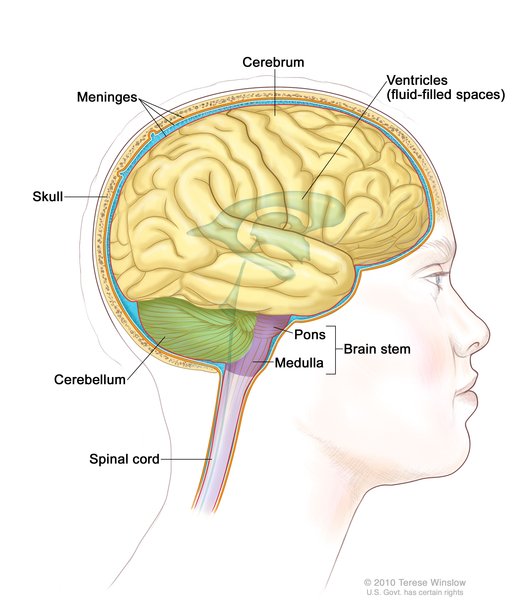
This form of hATTR affects the leptomeninges, two thin layers of tissue that cover the brain and spinal cord. This can cause stroke, hydrocephalus; an accumulation of fluid in the brain, ataxia; difficulty coordinating movements, spastic paralysis; muscle weakness and stiffness, seizures and dementia.
Vision problems similar to those that develop in the neuropathic form may also occur in some patients. When patients develop these associated eye problems, they are said to have the oculoleptomeningeal form of transthyretin amyloidosis.
Cardiac hATTR affects the heart, it can lead to medical problems such as arrhythmia; abnormal heartbeat, cardiomegaly; an enlarged heart, or orthostatic hypertension, and spikes in blood pressure when standing. These issues can lead to progressive heart failure and, ultimately, death.
In some cases, those with Cardiac hATTR also have mild peripheral neuropathy.
Contact Us
Treatment of Hereditary Transthyretin Amyloidosis mainly focuses on inhibiting the formation and thus the deposition of amyloid protein aggregates, as well as managing symptoms and monitoring the organ systems affected by the condition.
Because much of the body’s TTR protein is produced in the liver, performing a liver transplant can slow and some times halt the progression of the disease. However, with advancements in medical science and the availability of new therapeutic agents such as kinetic TTR stabilizers or gene-silencing drugs, new treatments may soon mean a liver transplant is not the only effective option.
Liver transplant remains the gold standard treatment for hATTR as it effectively replaces the organ responsible for abnormal TTR proteins. This procedure can dramatically increase life expectancy; with over 50% of patients living up to 20 years following the surgery.
TTR-stabilizing therapies prevent the dissociation of circulating TTR tetramers, effectively halting the formation of amyloid fibrils. In turn this prevents further tissue and organ damage due to amyloid aggregation and deposition. These medications include tafamidis and diflunisal, as well Diflunisal; a nonsteroidal anti-inflammatory drug (NSAID) that has also been shown to stabilize TTR tetramers.
New gene-silencing therapies that target the relevant mutated genes that cause diseases like hATTR amyloidosis have proven to be successful in blocking the faulty messaging that results in the manifestation of the condition. This can be achieved via RNA interference (RNAi). RNAi drugs, patisiran and vutrisiran, to treat hATTR amyloidosis by managing the degradation of targeted mRNA and inhibit the expression of specific genes that result in the production of TTR proteins.
Inotersen is a methoxyethyl-modified antisense oligonucleotide that prevents the production of mutant and wild-type TTR by degrading TTR mRNA. This interfers with the translation of mRNA into TTR protein, and has been shown to reduce circulating plasma TTR concentrations by up to 80%.
hATTR is an extremely rare disease which is reported to affect as few as 50,000 people worldwide, including all manifestations depending on affected organs. Whilst the figure remains an estimation, the frequency of hATTR is thought to be around 1:1,000,000
Hereditary Transthyretin Amyloidosis (hATTR) may also be referred to by several other terms:
hATTR is caused by changes to the transthyretin TTR gene. There are at least 120 different variants of mutations that can lead to hATTR; Val30Met mutation is the most common.
Hereditary Transthyretin Amyloidosis (hATTR) is a fatal condition. Death typically occurs as a result of additional medical conditions that develop. The average life expectancy of patients with hATTR is approx. 10 years following diagnosis.
Talk to your doctor about your options for joining patient organizations, these groups can help patients and families of sufferers connect with each other to share up-to-date information on research and treatments, as well as their experiences; tips and advice on how to better manage hATTR .
Thanks to the growth of the online medical community patient organizations are increasingly easier to access. Nevertheless, you may be lucky enough to find local support groups you can attend in person.